
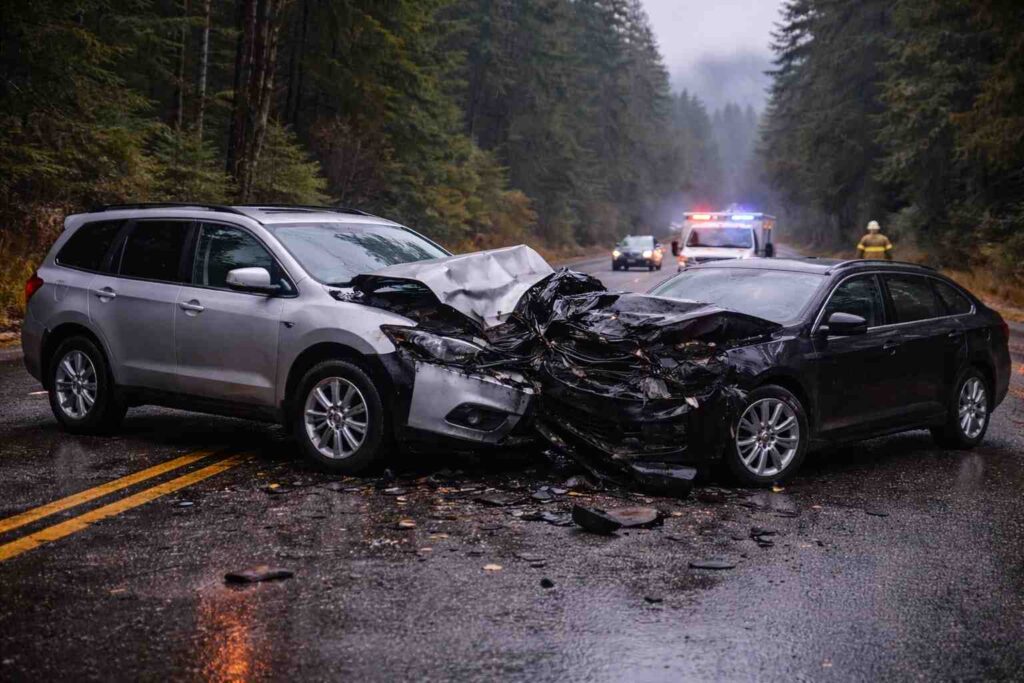
A concussion can affect daily life in unexpected ways. Headaches, dizziness, sleep disruption, and difficulty concentrating often appear after a crash and may interfere with work or family responsibilities. When symptoms linger, it is common to wonder what compensation may be available and how a legal claim works.
This article explains how a settlement for a concussion in car accidents is assessed in Washington State, what factors influence value, and what steps often support a fair resolution.
Key Takeaways:
- A settlement for concussion in car accidents in Washington is driven by documented medical care, symptom duration, and how the concussion affects work and daily functioning.
- Concussion car accident settlement amounts often depend on consistent medical documentation, follow-through with treatment, and clear proof of lost wages or reduced earning capacity.
- Post-concussion symptoms after a car crash can appear later and still support compensation when they are evaluated promptly and tracked consistently.
- Insurance companies may downplay head injuries, so a well-supported claim with organized records often strengthens negotiation leverage for a fair resolution in Washington.
What Is a Concussion After a Car Accident?
A concussion is a type of traumatic brain injury caused by sudden movement of the brain within the skull. In motor vehicle collisions, this can occur through direct impact or rapid acceleration and deceleration, even in the absence of visible head injury.
Symptoms vary by person and may include headaches, nausea, light sensitivity, memory problems, slowed thinking, mood changes, and fatigue. Some individuals recover quickly, while others experience symptoms that persist for months.
Why Concussions Require Careful Evaluation
Because concussions do not always appear on imaging studies, claims often rely on clinical findings and documented symptoms. Consistent medical evaluation helps establish the connection between the collision and the injury.
In recent years, medical tools and protocols for recognizing and diagnosing mild traumatic brain injuries have improved. That recognition and documentation plays an important role when evaluating an accident’s potential compensation and long-term impact.
How Much Is a Concussion Worth After a Car Crash?
Many people who ask this question after a crash expect the response to consist of a standard figure. However, Washington law does not assign fixed values to injuries. Instead, settlement amounts depend on the damages that can be supported with evidence.
Compensation generally falls into two categories: economic losses and noneconomic damages.
Economic Losses
Economic losses (i.e., economic damages) reflect financial costs tied to the injury. Depending on the case, these may include:
- Emergency care and follow-up appointments;
- Diagnostic testing and specialist evaluations;
- Physical therapy, vestibular therapy, or cognitive rehabilitation;
- Prescription medication costs;
- Lost wages during recovery; and
- Reduced earning capacity when symptoms affect job performance.
Together, these losses help show how a concussion creates measurable financial strain beyond the initial medical visit.
Noneconomic Damages
Noneconomic damages address how the injury affects daily life. These may include:
- Physical pain and discomfort;
- Cognitive limitations, such as memory or concentration difficulty;
- Emotional strain, including anxiety or irritability;
- Sleep disruption and chronic fatigue; and
- Reduced enjoyment of everyday activities.
Unlike other states, Washington does not impose a general cap on noneconomic damages in standard personal injury cases.
Car Accident Head Injury Settlement Amounts and Why They Vary
Online discussions of car accident head injury settlement amounts often show wide ranges. That variation reflects differences in symptoms, treatment length, work impact, and overall recovery.
Factors that commonly influence value include:
- Duration and severity of symptoms,
- Type and consistency of medical treatment,
- Time missed from work or reduced job performance,
- Prior medical history involving head injuries,
- Strength of evidence connecting symptoms to the crash, and
- Disputes regarding fault or causation.
Because these factors interact differently in every case, settlement values cannot be predicted by charts or averages alone.
Average Payout for Mild Traumatic Brain Injury
The phrase “average payout for mild traumatic brain injury” can be misleading. Averages combine many different claims, which can distort expectations for any single case.
A claim involving brief symptoms and minimal treatment may resolve very differently from one involving extended care and workplace limitations. Insurance coverage limits may also affect what compensation is realistically available.
Washington Laws That Affect Concussion Settlements
Several Washington laws shape how concussion claims are evaluated and resolved after a car accident. Understanding these rules helps explain why settlement outcomes can differ even when injuries appear similar.
Comparative Fault
Washington follows a pure comparative fault system. If an injured person is partially responsible for a crash, their compensation may be reduced by their percentage of fault.
Statute of Limitations
Most car accident injury claims in Washington must be filed within three years. Missing that deadline can eliminate the ability to pursue compensation, regardless of injury severity.
Insurance Coverage Considerations
Some Washington auto policies include personal injury protection coverage. Personal injury protection may help pay medical bills and wage loss early in the claim, depending on the policy terms.
Together, these laws influence timing, leverage, and the overall value of a concussion claim, making it important to evaluate each case within Washington’s specific legal framework.
Steps That Often Support a Strong Concussion Claim
Taking practical steps early can reduce disputes later and protect access to compensation.
Seek Prompt Medical Evaluation
Medical evaluation soon after a collision helps document symptoms and rule out more serious injuries. Early care also creates a clearer connection between the crash and the concussion.
Follow Through with Treatment
Treatment plans vary based on symptoms and provider recommendations. Following through with care shows that symptoms are ongoing and taken seriously by medical professionals.
Track Symptoms in Plain Language
A simple symptom journal can help document how the concussion affects daily life. Notes about headaches, fatigue, screen sensitivity, and concentration problems often support medical and legal evaluations.
Document Work Impact
Missed work, reduced hours, or job modifications should be recorded whenever possible. Employment records often provide objective support for wage-related losses.
Communicate Carefully with Insurers
Clear and factual communication helps avoid confusion early in the claim. Guessing about recovery timelines or minimizing symptoms can create complications later.
How Concussion Claims Are Typically Resolved
Most concussion cases resolve through negotiation rather than trial. Settlement discussions often begin once medical treatment reaches a stable point, and future needs are clearer.
However, trial readiness still matters. A claim supported by organized evidence and a clear explanation of damages is often taken more seriously during negotiations.
How KND Law Approaches Concussion and Head Injury Cases
KND Law focuses on significant injury cases and approaches each matter with a trial-first mindset. Our award-winning attorneys, including a former Assistant Attorney General, emphasize careful investigation, modern advocacy tools, and a clear presentation of damages.
Discussions of average payouts for concussions and comparisons involving car accident head injury settlement amounts rarely account for the details that drive real outcomes. Each case deserves individualized evaluation.
If you suffered a concussion in a car accident and want guidance on a settlement for a concussion in car accidents, KND Law can help you understand your options under Washington law. Contact our office today by calling us at (509) 315-4219 to schedule a confidential consultation to learn more.
Settlement for Concussion in Car Accidents in Washington: FAQs
A settlement for concussion in car accidents in Washington is usually based on the evidence of your financial losses and how the concussion affects daily life. Common settlement drivers include medical care, therapy, time missed from work, reduced earning capacity, and pain and suffering tied to post-concussion symptoms after a car crash.
There is no single average payout for concussion after a car accident that applies to everyone. Concussion car accident settlement outcomes in Washington State vary widely based on symptom duration, treatment consistency, work impact, and the strength of medical documentation for the concussion claim.
For a mild traumatic brain injury settlement, the most persuasive evidence often includes ER or urgent care notes, follow-up visits, symptom reports, referrals to specialists, therapy records (vestibular therapy, cognitive rehab), prescribed medications, and provider notes linking symptoms to the crash. Even when imaging is normal, consistent clinical documentation can support car accident head injury settlement amounts.
Yes. Many post-concussion symptoms after a car crash appear hours or days later, especially headaches, light sensitivity, sleep disruption, and concentration problems. The key is prompt evaluation once symptoms appear and ongoing documentation that connects your condition to the collision.
Concussion settlements commonly include medical expenses, rehabilitation costs, prescription expenses, and lost wages and reduced earning capacity from concussion symptoms. Many claims also include pain and suffering for concussion injury, including cognitive strain, emotional disruption, sleep problems, and reduced ability to enjoy daily activities.
Insurance companies often challenge concussions because symptoms can be invisible. Strong medical documentation for concussion claims, consistent follow-up care, therapy records, and a plain-language symptom journal can help rebut “minor injury” arguments and support a fair settlement for concussion in car accidents in Washington.
Missed work can significantly increase concussion settlement value when supported by payroll records, doctor work notes, or employer documentation. Even when you return to work, reduced productivity, shortened hours, or job accommodations can support lost wages and reduced earning capacity in Washington concussion cases.
Many concussion claims resolve after your symptoms stabilize and your care plan is clearer. Mild cases may settle sooner, while longer-lasting post-concussion symptoms can extend the timeline because future treatment needs and work impacts must be documented.
Seek medical care, follow treatment recommendations, and keep records of symptoms in plain language. Save receipts, appointment summaries, and work documentation, and be careful when dealing with insurance adjusters for concussion settlement discussions. Clear, consistent documentation is often the difference-maker in settlement for concussion in car accidents Washington claims.
Consider contacting a Washington car accident lawyer early if your symptoms persist, you miss work, treatment becomes more involved, or the insurer disputes your injury. Early legal help can improve evidence collection and reduce mistakes when estimating a settlement for concussion in car accidents.